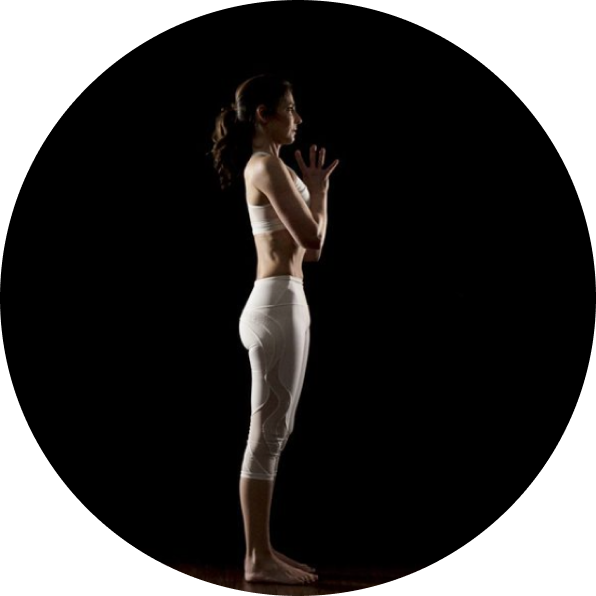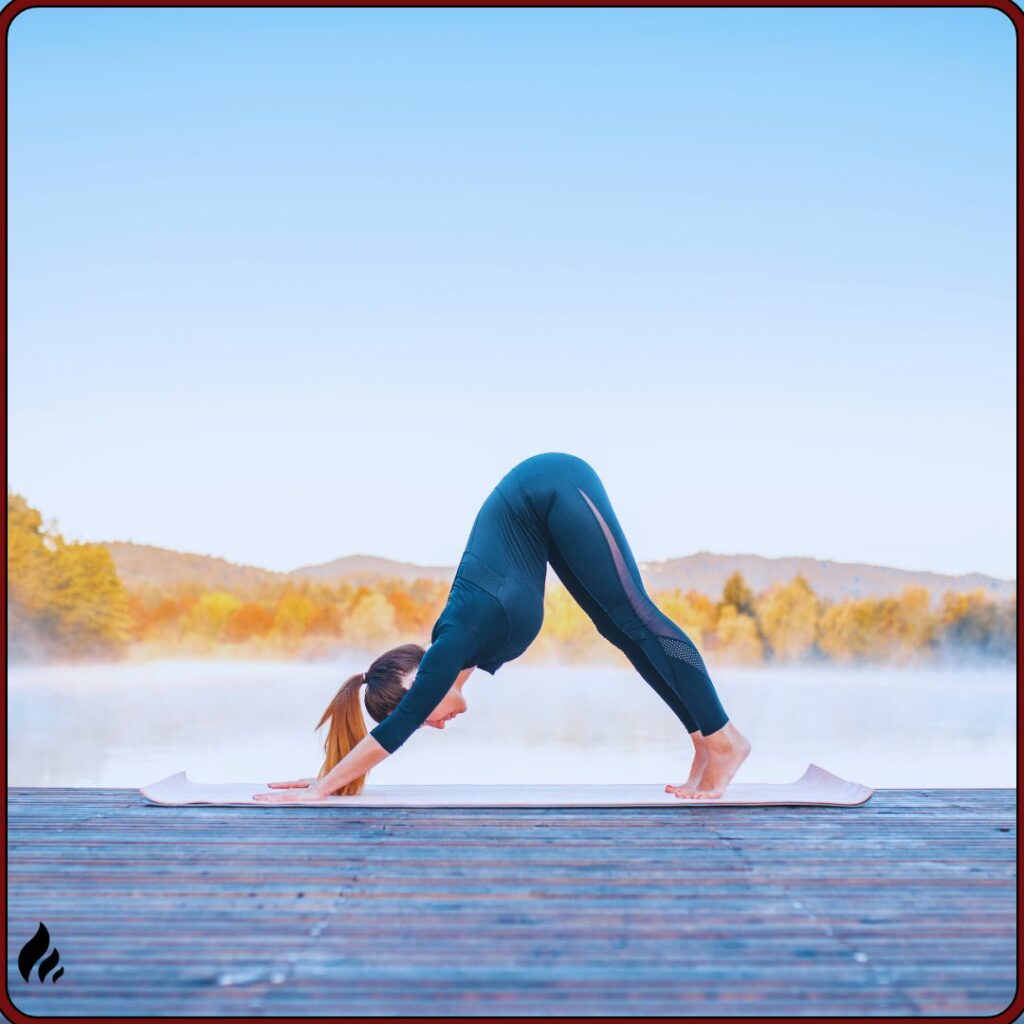

- I’m not clear as to how the shoulder blades need to upwardly rotate, but at the same time, I thought I’ve heard over and over again to lean into them.
- My husband has Osgood-Schlatter’s knee in one knee. He’s had it since he was a teenager, but it has definitely become larger since we’ve been in the U.S. Is there anything he can do for it? We are hiking a lot, so maybe it’s aggravated. He started doing some yoga with me today, but found it hard being on his knees, and when we modified I think it was just too uncomfortable.
- I’ve been working for others for a number of years in health care, and I want to work for myself. I’d love to know your tips for working for yourself.
To learn more, and for the complete show notes, visit: https://lytyoga.com/podcast/
Do you have a question?
- DM Lara on Instagram: @lara.heimann
- DM Kristin on Instagram: @kbwilliams99
- Email us at su*****@*****ga.com
Sponsor:
- Visit relationshipschool.com/lara to get 50% off your first month of relationship coaching.