

Even though I live in a bit of a LYT movement bubble, I’m still surprised by how often outdated yoga cues and movements continue to be taught.
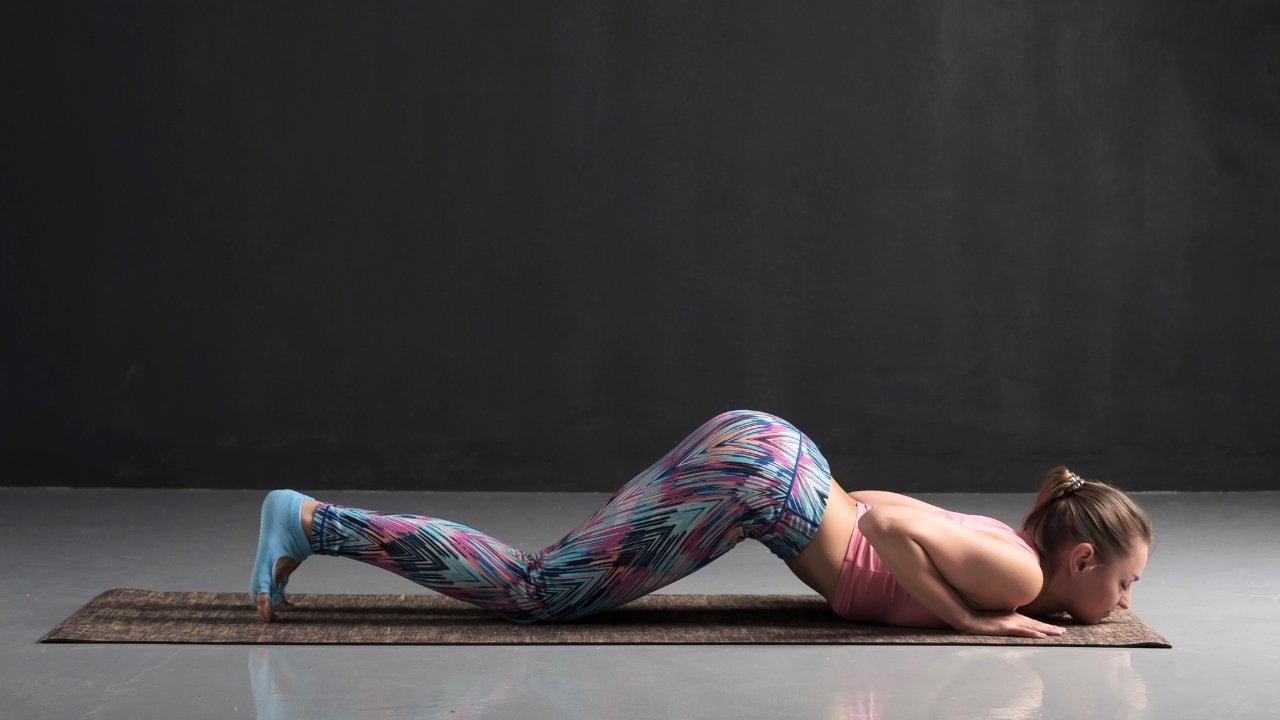
It was over 20 years ago when I first heard the instruction to lower from plank, touching down the knees, chest, chin (Ashtanga Namaskara), ending in an awkwardly butt-up prostration. When I first tried it, I remember feeling confused why was this transition an actual goal? It didn’t feel good, and it definitely didn’t make sense from a physical therapy perspective.
So, I practiced and taught differently.
Yet, over the years, I continued to see knees-chest-chin pop up in workshops and festivals among yogis unfamiliar with LYT. When I suggested a different approach, many struggled to hold their spine and pelvis neutral while lowering to the floor without the tippy-bird-in-the-shoulders look.
And that struggle is exactly why I will keep shouting from the hills:
It’s time to retire knees-chest-chin!
Why Knees-Chest-Chin Is Biomechanically Flawed
The movement makes no sense from a biomechanical standpoint.
To touch the chest to the floor, the pelvis must tip forward, spilling the humeral heads (shoulder bones) toward the ground. Then, when the chin touches, the cervical spine is compressed, creating an unhealthy position for the neck.
It just looks and feels like a biomechanical junkyard.
So why is it still being taught?
1. Tradition & Lineage
The knees-chest-chin pose (Ashtanga Namaskara) originates in traditional Hatha yoga and appears in classical Sun Salutation (Surya Namaskar) sequences. It’s often described as a preparatory pose for Chaturanga, especially for beginners.
But here’s the problem:
• It requires less strength, but it neither benefits your body nor prepares you for Chaturanga.
• It actually trains poor movement patterns, making them harder to unlearn.
•Many teachers still pass it down without questioning its mechanics.
2. It’s Marketed as more accessible But at What Cost?
Because knees-chest-chin requires less strength, it’s often taught as an easier alternative to Chaturanga.
However, that doesn’t make it safe:
 Lumbar Compression: Tipping the pelvis forward places strain on the lower back.
Neck & Shoulder Strain: The chin-to-floor position compresses the cervical spine while the shoulders collapse.
No Strength Benefit: It doesn’t train the arms, shoulders, or core in a way that builds true strength.
3. Outdated Biomechanics in Yoga Teacher Training
Many yoga teacher trainings continue to focus on historical asanas without integrating modern biomechanics or functional movement science.
At LYT Yoga, we take a different approach, honoring the evolution of movement so that yoga can serve both the spirit and the body in the best way possible.
4. The Myth of Strength-Building
Some believe knees-chest-chin helps beginners develop arm strength for Chaturanga.
It doesn’t.
Instead, it reinforces poor movement patterns by failing to optimally load the shoulders and core.
What actually builds strength?
 Lowering from plank with core engagement and a neutral spine & pelvis (knees up or down).
Activating the triceps to control the descent.
Engaging scapular muscles to keep the chest open.
This neuromuscular programming is key for:
•Healthier shoulders
•A more responsive core
•Better posture in daily life
On the other hand, knees-chest-chin encourages rounded shoulders, weak upper backs, and poor movement habits which already plague our modern world.
A Smarter Alternative
Instead of knees-chest-chin, try a modified Chaturanga:
Lower from plank with the knees down and maintain core engagement & spinal neutrality.
Build strength progressively without joint compression.
Train your body & brain for long-term success.
At LYT Yoga, we prioritize core-supported, well-aligned movement patterns that create lasting, sustainable change.
I invite you to retire knees-chest-chin from your practice and join us in moving smarter because your body deserves better!
Ready to rewire your movement?
